Infrastructure—the network of roads, railways, power grids, communication lines, and water systems—is often invisible when it works, yet painfully obvious when it fails. It is the fundamental backbone upon which all economic activity rests, determining a nation’s productivity, competitiveness, and overall quality of life. For decades, investment in these core systems has been viewed primarily as a government expenditure. Today, however, there is a global consensus: robust, modern, and resilient infrastructure investment is the most critical catalyst for sustainable economic development and a powerful, long-term asset class for private capital.
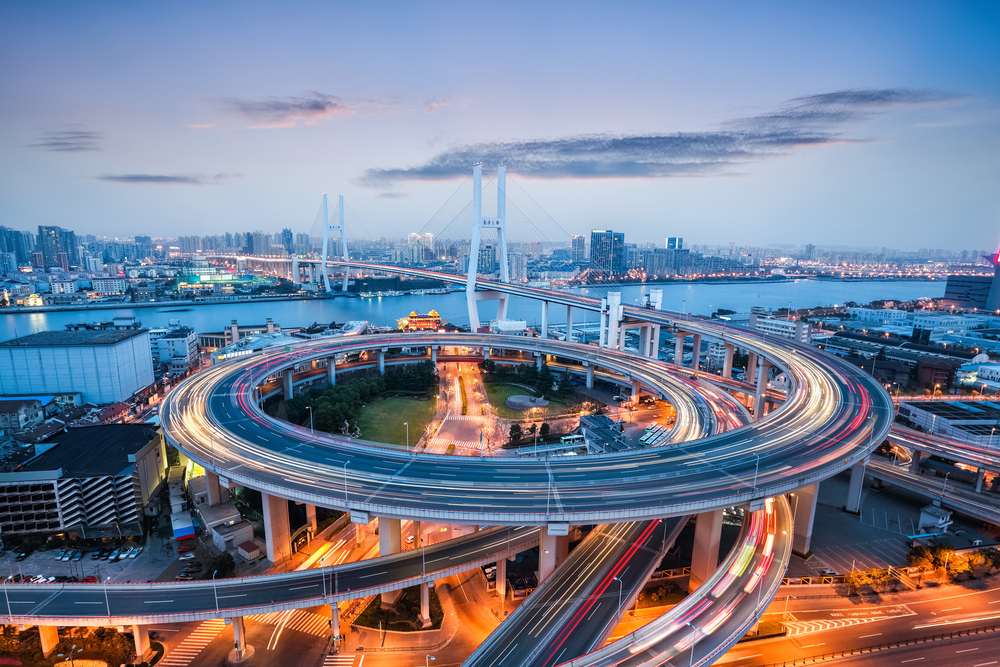
This article explores why dedicating substantial capital to infrastructure is a strategic imperative, detailing the economic benefits, the diverse nature of these assets, and the urgent need for renewal in the 21st century.
Defining the Infrastructure Imperative
Infrastructure broadly categorizes the essential physical and organizational structures required for the operation of society. It is typically divided into two core areas:
- Hard Infrastructure (Physical Assets): Roads, bridges, tunnels, ports, airports, power plants, water supply systems, and public transit.
- Soft Infrastructure (Organizational and Digital Assets): Telecommunication networks (fiber optics, 5G), electricity grids (smart grids), and public health systems.
The imperative for investment stems from two realities: aging systems in developed nations require massive renewal, and rapidly growing nations require entirely new systems to support urbanization and industrialization. A failure to invest creates systemic bottlenecks that directly erode productivity.
The Multiplier Effect: Economic Benefits of Investment
Unlike simply boosting consumption, infrastructure spending yields high returns because it creates a powerful economic multiplier effect. Every dollar spent on an infrastructure project generates significantly more than a dollar in broader economic activity.
- Job Creation: Immediate investment creates demand for construction workers, engineers, materials, and support services. These jobs inject income into local economies, further stimulating demand.
- Increased Productivity: Modern infrastructure reduces the “friction” of doing business. Efficient transport links lower the cost of moving goods, reliable power reduces operational downtime, and high-speed internet enables instant global communication. These efficiencies make businesses more competitive globally.
- Attracting Foreign Direct Investment (FDI): Multinational corporations prioritize locations with reliable infrastructure. A nation with world-class ports and energy systems signals stability and ease of doing business, making it a magnet for global capital and high-value industry.
For instance, investing in an efficient subway system not only benefits commuters but also raises surrounding property values and concentrates economic activity, proving that the returns on infrastructure are both direct and indirect.
Infrastructure as an Asset Class: The Investor’s View
In recent decades, infrastructure has matured into a sought-after asset class for institutional investors, including pension funds and sovereign wealth funds. This is due to its unique financial characteristics:
- Stable, Predictable Cash Flows: Many infrastructure assets, such as toll roads, regulated utilities, or long-term lease agreements for data centers, generate steady, predictable revenue streams, often backed by government contracts or essential demand.
- Inflation Hedge: Revenue streams for infrastructure are often explicitly or implicitly linked to inflation (e.g., regulated price increases). This makes them a strong defensive investment during periods of rising prices, protecting the real value of capital.
- Low Correlation with the Business Cycle: People still need electricity, water, and internet access regardless of whether the stock market is booming or the economy is in recession. This non-cyclical nature makes infrastructure a valuable diversification tool within a broader investment portfolio.
The challenge for governments is structuring projects—through public-private partnerships (PPPs) or dedicated infrastructure bonds—in ways that efficiently attract this patient, long-term private capital while retaining public accountability.
The 21st Century Infrastructure Challenge: Digital and Resilience
The definition of “essential infrastructure” is rapidly evolving, moving beyond concrete and steel to include digital and climate resilience components.
- Digital Infrastructure: High-speed, pervasive digital connectivity is now as crucial as electricity. Investments in fiber optic networks, 5G technology, and secure data centers are essential for supporting cloud computing, remote work, e-commerce, and the Internet of Things (IoT). Nations that fail to bridge the digital divide risk being left behind in the global knowledge economy.
- Climate Resilience and Green Energy: Future infrastructure must be built to withstand the impacts of climate change (e.g., extreme weather events, sea-level rise). Furthermore, investment must prioritize the transition to clean energy, including solar farms, wind power, and modernizing aging power grids into smart grids capable of managing decentralized renewable energy sources. This shift simultaneously tackles climate change while creating new economic opportunities in green technology.
Ignoring these modernization needs does not save money; it merely postpones the inevitable capital expenditure while incurring increasing costs due to inefficiency, unreliability, and climate damage.
Conclusion: The Commitment to Tomorrow
Investment in infrastructure is the ultimate commitment to a nation’s long-term future. It is the silent guarantee of economic opportunity, public safety, and modern living standards. For governments, it represents a strategic fiscal tool for generating growth and enhancing global competitiveness. For private investors, it offers a secure, inflation-linked asset class that provides stability.
The challenge today is not just finding the capital, but deploying it strategically—prioritizing projects that foster digital inclusion, promote climate resilience, and maximize the economic multiplier effect. By treating infrastructure as a living, breathing, vital form of national capital, societies can secure the reliable foundation needed for prosperity in the decades to come.
Would you like to explore the complexities of structuring public-private partnerships (PPPs) for infrastructure projects, or look deeper into the technology behind smart grids?